Different Types of Clocks: A Comprehensive Guide
Clocks are part tool, part decoration. A kitchen wall clock and a carved cuckoo clock both tell the time, yet they feel like completely different objects. If you wear watches or style a room, knowing the main types helps you choose with confidence.
This guide groups clocks by how they display time and how they are powered, and then by where you would put them.
By display: analog and digital
An analog clock shows time with hands moving across a dial. Most people read them instantly by position. A digital clock shows numerals directly, which is clearer at a glance and easier for small children or low-light reading.
Some clocks mix both approaches, with hands plus a small date or alarm window. If you choose by style, analog tends to look classic, and digital looks modern or practical.
By power source
- Mechanical: driven by a wound spring or weights, regulated by a pendulum or balance wheel.
- Quartz: uses a battery and a vibrating quartz crystal. Accurate, affordable and low maintenance.
- Electric: plugged in, common for alarm clocks.
- Atomic or radio-controlled: receives a time signal from an official time source to correct itself.
- Solar: powered by light, found on some watches and wall clocks.
Quartz clocks became widespread in the late 20th century, which is why most modern household clocks use them.
Classic household clocks
Grandfather clocks
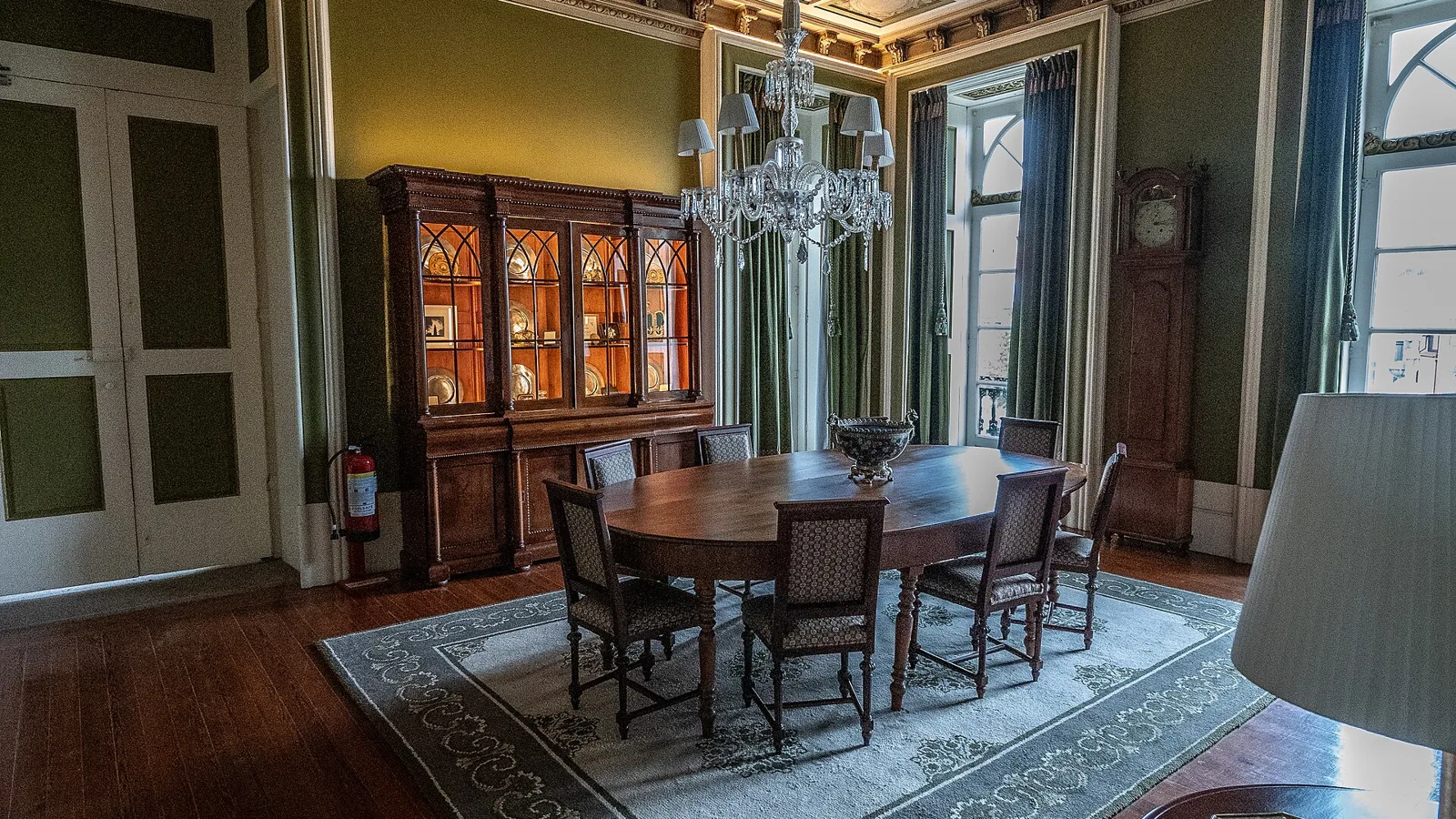
Also called longcase clocks, these are tall, freestanding pieces with a pendulum and often a chime. They are statement furniture as much as timepieces.
Mantel and table clocks
Smaller clocks that sit on a shelf, mantel or desk. They range from ornate antique designs to minimalist modern ones.
Cuckoo clocks
Cuckoo clocks come from the Black Forest region of Germany. A little bird pops out to announce the hour. Traditional versions are carved wood and mechanical.
Wall clocks
The everyday option. Wall clocks come in nearly every style and are usually quartz-powered. Size matters: bigger dials read better from across a room.
Clocks for specific jobs
Alarm clocks wake you up and may include radio, light or vibration. Travel clocks are compact and fold into a case. Kitchen timers count down rather than show the time. World clocks display several time zones, which is useful for remote teams and frequent travellers.
Chess clocks and stopwatches are more specialised, but they follow the same basic ideas.
Historic clock types
Before gears and springs, people used sundials, water clocks and candle clocks. Sundials read the sun’s shadow, so they only work in daylight. Water clocks measured flow over time. Hourglasses measure a fixed interval and are still popular as timers and decor.
Clocks and fashion
Clocks and watches share design language. A clean dial with simple hands looks similar on a wall and on a wrist. If you collect watches, our piece on wearing gold watches with style covers how finishes and metals affect the overall look.
Accessories work best when they feel intentional. You might also enjoy adding a chain to a clutch bag and Greek mythology in fashion for more design ideas, since clock faces often borrow motifs from myth and ornament.
How to choose
Ask three questions. Where will it go? How accurate does it need to be? How much upkeep are you willing to do? A mechanical clock needs winding and occasional servicing. A quartz clock needs a battery swap every so often. Atomic clocks need almost nothing but still need a decent signal in your area.
Caring for your clock
Mechanical clocks benefit from a professional service every few years. Keep them away from damp walls and direct sun, and move them gently, since pendulums and weights are sensitive to knocks. For quartz clocks, replace the battery before it leaks, as leaking batteries can corrode the contacts.
Clean dials with a soft dry cloth. Avoid spraying cleaner directly on the face, because liquid can seep behind the glass.
Placing a clock in a room
Choose a spot where it is easy to read but not distracting. A large wall clock suits an entryway or kitchen. A small mantel clock works on a shelf. Avoid placing a ticking mechanical clock right beside your bed if you are a light sleeper, since the sound carries at night.
A note on watches
Wristwatches follow the same categories: mechanical, automatic, quartz and, more recently, smartwatches that sync time from your phone. An automatic watch winds itself through the motion of your wrist, while a hand-wound one needs a daily or weekly turn of the crown. If you are choosing between a clock and a watch as a gift, think about how the person actually lives. Someone who enjoys objects with a story may love a mechanical piece, while someone practical may prefer a reliable quartz model.
Smart and novelty clocks
Newer options include smart displays that show time, weather and reminders, and projection clocks that beam the time onto a ceiling. Novelty clocks come in endless shapes, from vinyl records to vintage cartoon characters. They can be fun, but check that the movement inside is reliable, since the design is often better than the mechanism.
Frequently asked questions
What is the most accurate type of clock?
Atomic and radio-controlled clocks are generally the most accurate for home use, since they correct themselves from a reference signal.
What is the difference between quartz and mechanical?
Quartz uses a battery and a crystal. Mechanical uses a spring or weights and gears.
Are cuckoo clocks only from Germany?
The classic style comes from the Black Forest in Germany, though versions are made elsewhere.
Photo: Michael Gaylard from Horsham, UK / Wikimedia Commons (CC BY 4.0)