Mythical Inspirations: Greek Mythology in Fashion
Fashion borrows from everywhere, but few sources return as often as ancient Greece. Gods, monsters, heroes and the clothes of the period all show up on runways, in logos and on high-street shelves. Here is a look at how the myths and the visual world around them influence what we wear.
The Medusa logo
The best known example is the Medusa head used by Versace. Gianni Versace founded the Italian house in 1978, and the Medusa became its emblem. The brand has said it was chosen for its power to attract. In Greek myth, Medusa was a Gorgon whose gaze turned people to stone. As a logo, she signals boldness. It is a strong example of a myth working as a brand identity.
The draped silhouette
Ancient Greek dress relied on rectangles of cloth, such as the chiton and the peplos, pinned at the shoulders and held with belts. They created folds and drape rather than tailored seams. Designers have borrowed this idea for ages. Think of goddess gowns with gathered bodices, one-shoulder necklines and fluid skirts.
Madame Gres, the French couturiere, was famous for sculptural pleated draping that recalled classical statues. Modern evening wear and bridal designs still reference this approach.
Motifs and prints
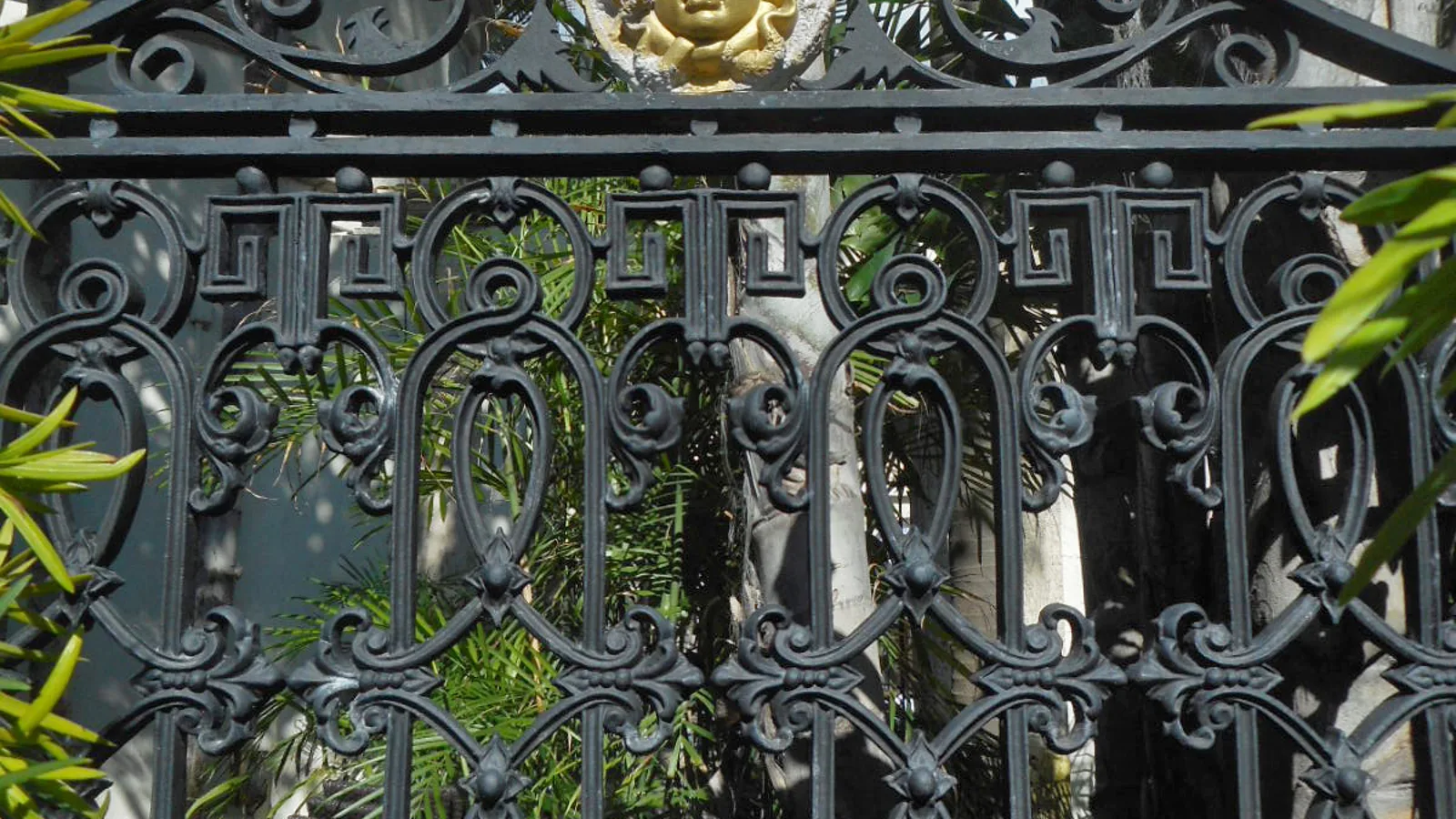
- Greek key (meander). A repeating geometric border that appears on scarves, knitwear and jewellery.
- Laurel wreaths. Used in headpieces and prints, and tied to victory and honour.
- Columns and architecture. Pleats and vertical lines suggest classical columns.
- Gold and white palettes. Often used to evoke marble and bronze.
- Mythical creatures. Pegasus, sirens, centaurs and the Minotaur all turn up in prints and embroidery.
Footwear
Gladiator and strappy sandals often get linked to antiquity, though the gladiator look is more Roman than Greek. Lace-up sandals that wrap the calf are a common summer trend. If you wear them, our piece on sandals and business casual explains where they fit and where they do not. Sneakers draw on mythic names as well. Nike takes its name from Nike, the Greek goddess of victory, and the swoosh is often described as a nod to her wing.
Jewellery and accessories
Snake-shaped bangles, coin necklaces, olive-leaf crowns, and cameos all carry classical references. Gold pieces with fine details fit this theme. Pairing them with simple clothes keeps the outfit from looking like a costume.
Wearing the look without a costume
- Pick one reference. A draped dress or a Greek key scarf is enough.
- Keep fabric flowing, like jersey, crepe or silk blends.
- Choose natural colours: white, cream, olive, stone and gold.
- Add minimal accessories, such as a thin belt or a gold cuff.
- Mix with modern items, such as denim or a leather jacket.
Other cultural inspirations
Fashion borrows from many traditions. Another theme with a strong symbolic story is covered in bullfighter clothing symbolism and style. For a very different decade of influence, see 80s fashion and USA pop culture.
Cultural respect and accuracy
Myth belongs to a living culture, and Greek heritage is a real thing for real people. Using it respectfully means giving credit, avoiding cartoonish costumes, and knowing the story behind a symbol. Look up what a motif actually means before you put it on a garment.
Why the theme lasts
Classical shapes are flattering and simple. A draped dress needs few accessories, and a sculptural line suits a range of bodies. The stories add depth. A garment that references a myth gives the wearer something to talk about.
Names borrowed from myth
Brands often look to Greek stories for names as well as designs. Nike, the sportswear company, takes its name from the goddess of victory. Pandora, the jewellery brand, shares a name with the first woman in a Greek myth. Ambrosia, Atlas and Olympus appear in product names across the industry. A name from myth carries instant meaning, such as strength, victory or luck, which saves a brand a lot of explaining.
Gowns and red carpets
Red carpet dressing returns to the goddess idea again and again. One-shoulder gowns, gold cuff bracelets and Grecian pleats show up at award ceremonies year after year. They flatter, they photograph well, and they read as elegant without being heavily embellished. Bridal wear uses the same vocabulary, with empire waists and soft draping for a relaxed ceremony.
Hair and beauty
It is not only clothes. Braided crowns, low buns with loose curls and gold hair pins all echo classical sculpture. They are easy to try and pair well with a simple dress.
Greek-inspired fabrics
Fabric choice does half the work. Silk crepe, matte jersey, georgette and fine linen all drape well, and they move in the same soft way as classical sculpture. Pleating, whether sunray, knife or fine micro pleats, adds the column-like texture the look needs. If you are sewing, choose a fabric with a good fall and keep seams to a minimum.
Where to start if you want to sew or buy
If you sew, look for simple wrap or tied dress patterns, since the ancient garments were based on rectangles. Practise drape on cheap fabric first. If you buy, search for terms like Grecian, draped or wrap in product listings, and read the size chart carefully because draped styles can fit differently across the bust and waist. A belt gives you control over where the fabric falls.
Frequently asked questions
Why did Versace choose Medusa?
The company has said it represents allure and the power to captivate. The image ties into the brand’s love of classical art.
What did ancient Greeks actually wear?
Mostly draped garments like the chiton, himation and peplos, made from wool or linen and pinned or belted.
How can I wear Greek-inspired fashion every day?
Use subtle pieces, such as a gold bangle, a Greek key print scarf or a draped top, not a full costume.
Photo: Daniel Di Palma / Wikimedia Commons (CC BY-SA 4.0)