Understanding the Anorak Jacket: Style, Function and History
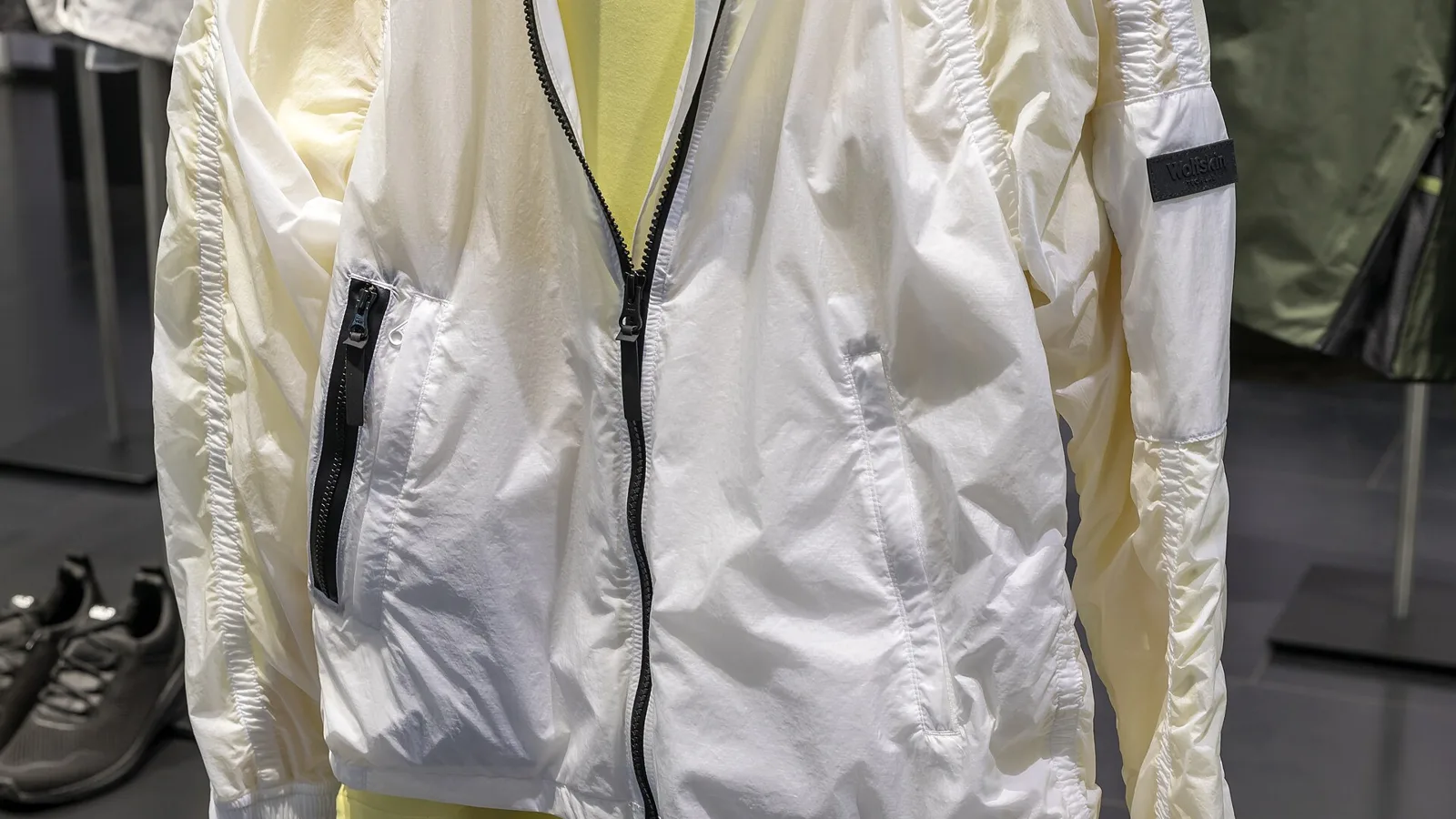
The anorak is one of those garments that has quietly been useful for centuries and stylish for about half of that. It is light, hooded, usually pulled on over the head, and it has a story that starts well north of any shopping mall.
Where the word comes from
The word anorak comes from the Greenlandic and Inuit word annoraaq, a hooded jacket made to keep wind and water out. Traditional versions were made from animal skins such as sealskin, cut to shed moisture and hold in warmth. European explorers and later outdoor companies borrowed the design and the name, adapting it to cotton, nylon and waterproof fabrics.
What makes an anorak an anorak
Definitions blur, but a classic anorak has a few features in common.
- Pullover design. It goes on over your head, usually with a half-zip or a short placket at the neck, not a full zip down the front.
- A hood. Often fixed, sometimes packable.
- A front pocket. Many have a large kangaroo-style pouch pocket across the chest.
- Adjustable fit. Drawcords at the hem, hood or waist let you seal out wind.
- Light weight. Most are shells made of a thin, weather-resistant fabric.
Because it has no full-length opening, an anorak blocks air very well. The tradeoff is that you cannot throw it on in a second or open it fully when you warm up.
Anorak versus parka versus windbreaker
These terms get swapped around constantly. Here is a general way to tell them apart.
| Jacket | Typical opening | Typical weight | Typical use |
|---|---|---|---|
| Anorak | Half-zip or pullover | Light to medium | Wind and rain, everyday wear |
| Parka | Full zip, often with snaps | Medium to heavy, often insulated | Cold weather |
| Windbreaker | Full zip | Very light | Light wind, sport |
Brands do not always follow these lines, so treat them as guidelines. A “parka” from one label may look identical to an “anorak” from another.
A short history in fashion
From polar clothing the anorak moved into mountaineering, sailing and cycling, where its simple, windproof shape made sense. From there it became a staple of British youth style in the 1960s, when mods wore parkas and rain jackets in the city, and later it turned up in casual and streetwear wardrobes. Outdoor labels have kept the pullover shape in their catalogues for decades, and it returns to fashion every few years.
How to style an anorak
The anorak works because it is casual without looking sloppy. Some combinations that tend to work:
With jeans and sneakers, it is an easy daily outfit. Pair it with a plain tee or a knit underneath, and keep the palette simple. Earth tones, navy and olive look natural, while bright colours add energy to a neutral outfit.
For a smarter look, go for a sleek, solid colour in a matte fabric. Add dark trousers and clean leather boots. It will not suit a suit, so for tailoring, a coat is better. If you want to see how outerwear mixes with polos and layers, take a look at blazers worn with polos.
Proportions matter. Anoraks tend to sit slightly boxy, so keep your trousers more tapered or straight, and avoid stacking bulk on top and bottom.
Choosing a good one
Think about how you will use it. For rainy commutes, look for a waterproof or water-resistant shell, sealed or taped seams and a hood that adjusts. For mild weather and style, a cotton-nylon blend or a lightweight cotton twill is fine. Check that the hood is large enough to go over a cap but does not swallow your head, and test the sleeves. Cuffs with elastic or hook-and-loop tabs keep the wind out.
Waterproof is a specific claim, and water-resistant is not the same thing. Waterproof garments are rated for how much water they resist, and they work best with taped seams. Read the product description, not just the name.
Care
Always follow the care label first. As a general approach, close the zips, wash on a gentle cycle with a mild detergent, and avoid fabric softener, which can clog water-repellent coatings. Many shell fabrics can be tumble dried on low, which can help reactivate the water-repellent finish, but check the label. For rugged cotton jackets, our guide on softening a Carhartt jacket covers a different kind of fabric, and the tips on caring for a Milwaukee heated jacket show what to watch for when a jacket has electronics.
Frequently asked questions
Is an anorak waterproof?
Not automatically. Many are water-resistant, and some are fully waterproof. Check the specifications on the tag or product page.
Can you wear an anorak in winter?
Yes, with layers. A basic anorak is a shell, so add a fleece or sweater underneath, or look for an insulated version.
Is an anorak the same as a pullover jacket?
Mostly yes. The key difference is the hood and the weather-resistant design, so not every pullover is an anorak.
A good anorak stays useful for years, which is the best argument for it. It is practical, easy to wear and rooted in a design that was built to work.
Fit notes
Try it on with the layer you will actually wear underneath. You should be able to raise your arms without the hem lifting past your waist, and the hood should not pull the collar back when you turn your head. Because there is no full zip, make sure the neck opening is wide enough to get your head through comfortably without stretching the fabric.
Photo: Matti Blume / Wikimedia Commons (CC BY-SA 4.0)