What Are Skinny Jeans Called? A Comprehensive Guide
Skinny jeans have collected a surprising number of names over the years. Some describe a slightly different cut, others are just regional or marketing terms for the same idea. If you are shopping and the labels feel confusing, this guide sorts them out.
The basic idea
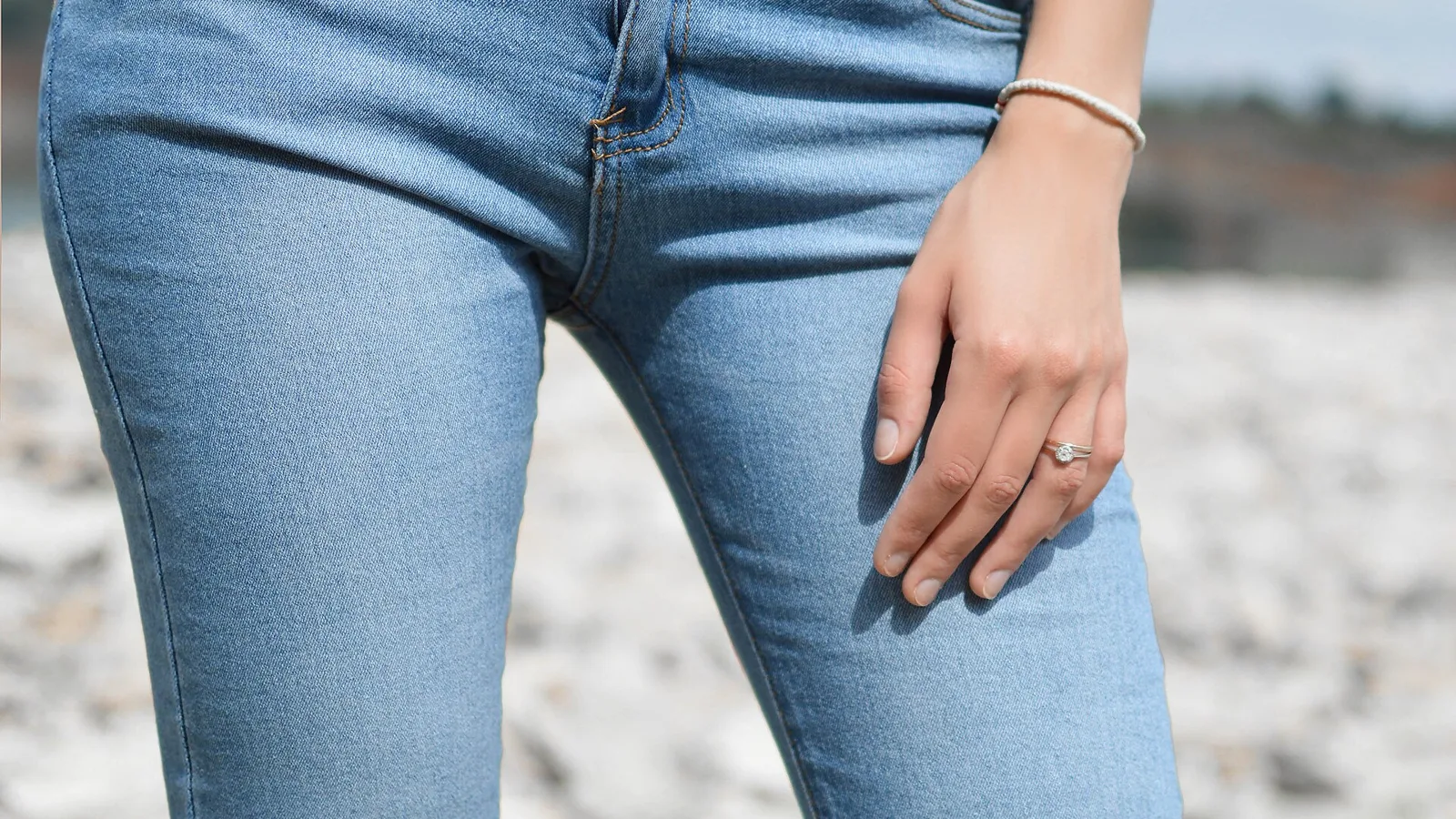
Skinny jeans are cut close to the leg from hip to ankle. They usually sit tight at the thigh and calf and finish at a narrow hem. Most use denim with some stretch, since rigid denim in a skinny cut would be hard to wear comfortably.
Other names you will see
| Name | What it usually means |
|---|---|
| Slim fit | Narrower than regular but looser than skinny |
| Slim tapered | Slim through the thigh, narrowing to the ankle |
| Super skinny | Even tighter than a standard skinny |
| Drainpipe | A very narrow, straight tube-like leg |
| Cigarette | Slim, straight and often ankle length |
| Jeggings | Jeans and leggings combined, usually a soft stretch fabric |
| Treggings | Trouser-leggings hybrids in a woven or ponte fabric |
| Stovepipe | Straight and narrow, less tight than skinny |
Brands use these terms loosely. Always check the measurements instead of trusting a name.
Skinny versus slim
The difference is room. Skinny jeans hug the whole leg, while slim jeans leave a bit more space in the thigh and knee. Many people who find skinny uncomfortable do well in slim or tapered, which keep a neat line without squeezing.
Skinny versus straight and stovepipe
A straight leg keeps roughly the same width from knee to hem. Stovepipe jeans are narrower than straight but not as clingy as skinny. If you like the idea of a fitted ankle with less tightness, stovepipe jeans might suit you.
A bit of history
Narrow-leg trousers have appeared in several decades. They were prominent in the rock and roll and punk scenes of the 1950s through the 1970s, and returned in force in the 2000s, when stretch denim made them mainstream. Fashion has since moved toward looser and wider shapes, but skinny jeans remain a staple for many people.
For a sense of how pop culture steers clothing trends, see 80s fashion and US pop culture.
How to choose the right pair
- Look at the rise, which is the distance from crotch to waistband.
- Check the fabric for stretch. A little elastane adds comfort.
- Measure the leg opening, since it changes the look.
- Try sitting down and bending your knees before you buy.
- Compare inseam length to your shoe style.
Styling skinny jeans
Skinny jeans pair well with a bigger top, because the contrast keeps the outfit balanced. A loose sweater, an oversized shirt or a structured jacket all work. For footwear, ankle boots, sneakers and loafers are common matches. If your jeans sit above the ankle, they show off the shoe.
Not sure what to wear on top? Our notes on colour matching and shoes to wear with a polo shirt show how to think about contrast, and flared versus bootcut jeans covers the opposite end of the leg-shape spectrum.
Why some people find them uncomfortable
Tight cuts restrict movement, especially when you sit or climb stairs. A low stretch percentage, a stiff waistband or the wrong rise can make them worse. For more on this, read why jeans can be so uncomfortable. Often the fix is simply a different size, a higher stretch content or a slimmer instead of a skinnier cut.
Caring for stretch denim
Wash inside out in cool water, and avoid very hot dryers. Heat damages elastane over time and leads to baggy knees. Hang to dry when you can, and wash less often to preserve colour and fit.
Final tips
Think of the name as a hint and the measurements as the truth. Take a pair you already like, measure the thigh, knee and leg opening, and use those numbers when you shop. That removes the guesswork from brand labels and gets you the right shape in any name.
Reading a size chart
Skinny jeans live or die by measurements. Waist and inseam are the numbers most people check, but the thigh, knee and leg opening decide how the jeans feel. A brand that lists these measurements is doing you a favour. If it does not, compare reviews for comments on whether the pair runs small or large.
Stretch percentage matters as well. Denim with around one to three percent elastane tends to feel structured, while higher amounts feel softer and closer to leggings. Neither is better. It comes down to the look you want and how much you move during the day.
Women’s and men’s cuts
Skinny cuts exist across all genders, though patterns differ. Women’s cuts often have a different rise and hip shape, while men’s tend to be straighter through the seat and thigh. Many brands now sell unisex or gender-neutral denim, so it is worth trying a few cuts without worrying about the section they are filed under.
Ankle length, full length and cropped versions are common. Cropped versions end above the ankle bone and show off shoes, while full length ones stack slightly at the hem when you walk.
Frequently asked questions
Are slim jeans and skinny jeans the same?
No. Slim jeans leave more room through the thigh and leg than skinny jeans.
What are jeggings?
Jeggings are leggings made to look like jeans, usually with very stretchy fabric and an elastic or soft waist.
Are skinny jeans still in style?
They remain widely worn, though looser fits are also popular. Wear what fits and feels good.
Photo: Pete Bellis petebellis / Wikimedia Commons (CC0)