What Makes a Raglan Hoodie Different From a Regular Hoodie?
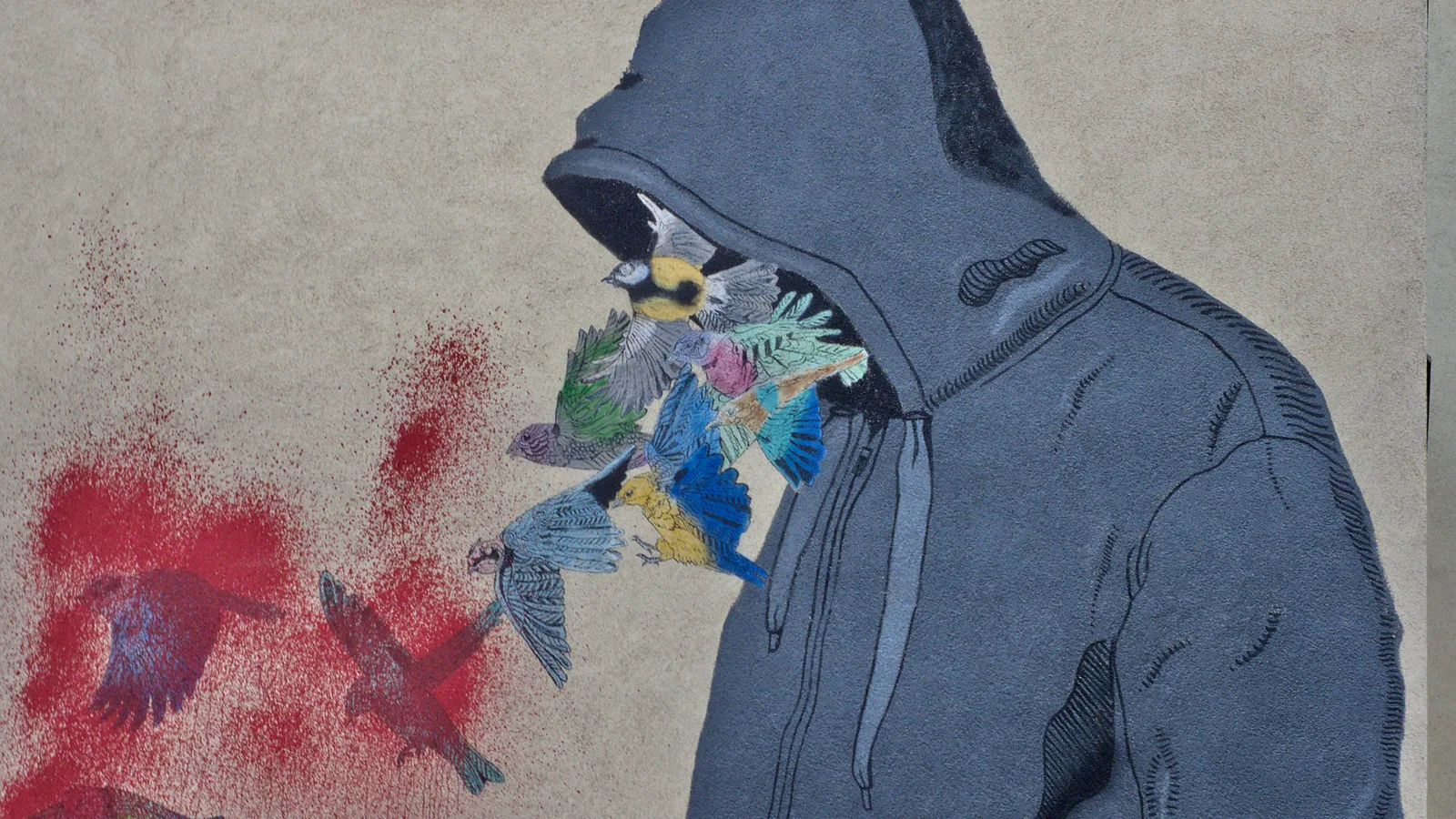
Most hoodies look the same until you notice the seams. On a raglan hoodie, a diagonal line runs from the underarm up to the neckline. On a regular hoodie, the seam sits at the shoulder. That one detail changes how the garment fits, moves and looks.
Here is a clear comparison, so you can choose what suits your build and your wardrobe.
What a raglan sleeve actually is
A raglan sleeve extends in one piece from the collar to the underarm. There is no separate shoulder seam. Instead, the seam travels diagonally across the shoulder area.
The style is named after Lord Raglan, the British army officer FitzRoy Somerset, 1st Baron Raglan, who served in the Crimean War in the 1850s. The sleeve is commonly linked to a coat made for him, though the exact origin story is told in several versions.
What a regular hoodie does differently
A standard or set-in sleeve is cut separately and sewn to the body at the shoulder point. The seam sits where your shoulder ends, creating a defined, structured line. This is the most common construction across hoodies, jackets and shirts.
Side-by-side comparison
| Feature | Raglan hoodie | Regular hoodie |
|---|---|---|
| Shoulder seam | Diagonal, to the neckline | Straight, at the shoulder |
| Movement | Often easier to raise arms | Can feel more structured |
| Look | Sporty, casual, baseball style | Classic, clean |
| Colour blocking | Easy to use contrasting sleeves | Less common |
| Fit on sloped shoulders | Usually forgiving | Depends on cut |
Comfort and movement
Because the sleeve joins higher up, there is often less fabric bunching around the armpit. Many people find raglan styles comfortable for arm movement, which is one reason the cut shows up on athletic clothing and baseball shirts.
That said, comfort depends on the whole pattern, the fabric weight and the size. A badly cut raglan can feel just as tight as any other hoodie.
How it looks on different builds
Raglan seams create diagonal lines that can soften the look of the shoulders. People with narrow or sloping shoulders often like them. Broader shoulders can look wider with a set-in sleeve, which is neat and tailored.
If you want a sharper silhouette, a set-in sleeve hoodie generally looks tidier under a jacket. If you want something relaxed, the raglan has more of a casual, sporty feel.
Style tips
- Choose a contrast-sleeve raglan for a retro, baseball-inspired outfit.
- Pick a solid-colour raglan for a clean, simple look.
- Wear a set-in hoodie under a coat for less bulk at the shoulder.
- Check the hood shape, since it affects how the neckline sits.
Fabric and weight
Construction is only half the story. A heavy fleece hoodie hangs differently from a light French terry one, whatever the sleeve. If you are wondering about density, see how much a hoodie weighs. The fabric weight affects warmth and drape as much as the seams do.
Care and fit adjustments
Both types follow normal fleece care: wash inside out on a gentle cycle and avoid very hot dryers. Our notes on washing an Essentials hoodie apply here too. If a hoodie feels too tight, learn how to stretch out a hoodie, or check how to stretch sweatshirt sleeves for the sleeve fix.
Which should you buy?
There is no wrong answer. Choose raglan when you want freedom to move and a sporty feel. Choose a regular hoodie when you want a classic, structured line. Try both on if you can, raise your arms, and see which one you forget you are wearing.
Where you see raglan sleeves
The cut is familiar from baseball jerseys, where the contrast-colour sleeves are a signature look. It also appears on raincoats, sweatshirts, T-shirts and knitwear. Knitters sometimes like it because the pattern can be worked top down with no shoulder seam to sew.
Because the seam sits at an angle, it can also change where graphics and prints sit across the chest. If you plan to wear a hoodie with a large print, check that the design is not interrupted by the seam lines.
Sizing notes
Sleeve length is measured differently. On a raglan, it runs from the neckline along the diagonal seam to the cuff, so size charts can read differently from those of a set-in sleeve. When the chart lists both chest width and sleeve length, compare it to a hoodie you already own and like. That is more dependable than going by the size letter.
Durability
Seams are where clothes tend to fail first. A raglan has seams running diagonally and across the body, while a set-in sleeve concentrates stress at the armhole. Neither is automatically stronger. Good stitching, reinforced seams and decent fabric matter more than the pattern shape.
When shopping, tug lightly at a seam and check that the thread is dense and even. Look inside for taped seams around the neck, which add comfort and strength.
Once you know what to look for, you will start spotting raglan seams on sweatshirts, tees and jackets everywhere. It is a small detail with a real effect, and it is worth trying on both types before you decide.
Frequently asked questions
Is a raglan hoodie more comfortable?
Many people find it easier to move in, but it depends on the cut and size.
Why is it called raglan?
The sleeve is named after Lord Raglan, a 19th-century British army officer.
Can I wear a raglan hoodie under a jacket?
Yes, though the diagonal seam can add a little bulk at the shoulder for some jackets.
Photo: Babewyn / Wikimedia Commons (CC BY-SA 4.0)