Where Are OluKai Shoes Made?
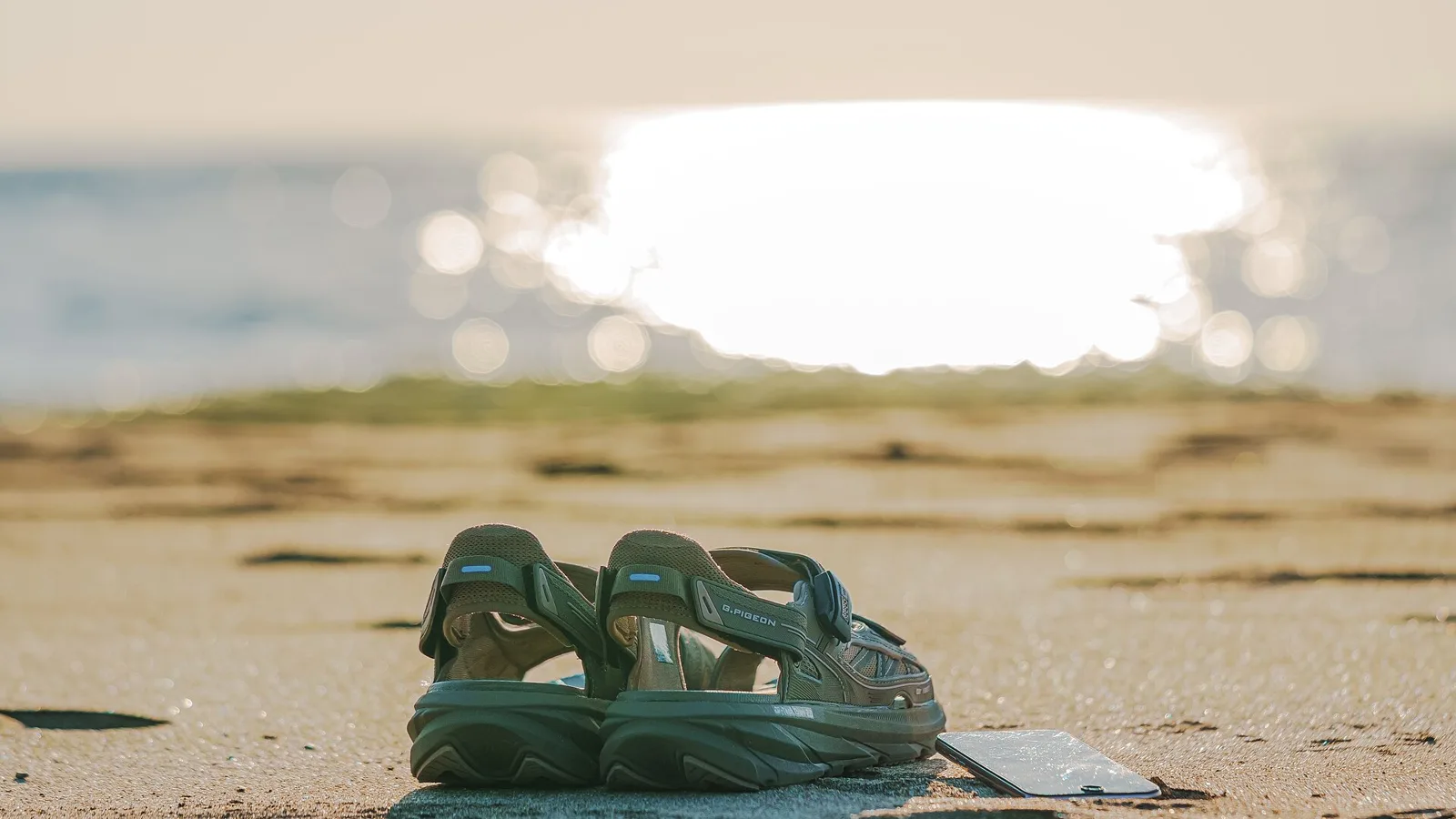
OluKai has a strong Hawaiian identity. The name means “of the sea” in Hawaiian, the designs borrow from island life, and the brand talks openly about its roots there. So people reasonably wonder whether the shoes are made in Hawaii. In short, they are not made on the islands.
Here is what you can say with confidence, and how to confirm it on your own pair.
Brand home versus factory location
OluKai is a Hawaii-inspired footwear brand with its origins in the islands. Design direction and brand identity come from that culture. Production, as with most footwear companies of its size, is handled by factory partners abroad, largely in Asia.
I would not give you a single country that applies to every style, because sourcing shifts between seasons and product lines. The reliable way to know is the label on the shoe itself.
How to find the country of manufacture
- Pull out the insole if it is removable, or look at the underside of the tongue.
- Check the sewn-in label for a “Made in” line.
- If the label has worn off, look at the box end label.
- When shopping online, ask the retailer or the brand’s support team about the specific style number.
What OluKai is known for
The brand built its reputation on sandals, slip-ons and casual shoes designed for warm weather. Many styles use comfortable footbeds, soft linings and materials chosen to cope with water or heat. The focus is on easy, everyday comfort rather than athletic performance.
Common styles
- Flip-flops and slides for beach or pool days
- Slip-on casual shoes with soft interiors
- Boat-style and lace-up casual shoes
- Some boots and closed styles for cooler weather
Does where they are made matter?
For comfort and durability, the factory country matters far less than the materials, the construction and the fit. Many well-regarded brands manufacture in Vietnam, Indonesia or China under strict specs. For a similar story, our look at where Hey Dude shoes are made and where Merrell shoes are made shows how common this setup is in casual footwear.
If ethical sourcing is your priority, look at what the company publishes about its supply chain and factory standards, rather than guessing from the country alone.
Fit tips
Sandals and slip-ons often fit a little differently from lace-up shoes. A slip-on needs a snug heel so it does not slide, and a sandal should leave your toes inside the footbed edge. Try them on later in the day. If you are between sizes, read the brand’s size guide and customer notes for that exact model.
If you are curious about the letters you sometimes see on size labels, our guides on B and M in shoe sizes explain the width codes.
Caring for casual shoes
Sandals and slip-ons collect sweat and sand, so they benefit from a regular rinse.
- Brush off dry dirt before using water.
- Use mild soap and a soft brush on the footbed.
- Rinse and let them air dry away from direct heat.
- Skip the dryer, since heat can warp foam and loosen glue.
Always check the care instructions for your specific style, because suede or leather needs a gentler approach than synthetic fabric.
The takeaway
OluKai’s soul is Hawaiian, but the shoes themselves are produced overseas. Read the label on your pair, and judge them on fit, comfort and how they hold up through a summer of wear.
What the Hawaiian influence means in practice
The brand uses Hawaiian language and imagery across its names and designs, and it describes its philosophy around the ocean and island lifestyle. That influence is real in the aesthetic and the product concepts, but it is a design and brand story rather than a manufacturing statement. Knowing the difference helps you read any brand’s marketing with a clearer eye.
Comparing across casual brands
If you are comparing OluKai with other casual or comfort brands, origin is one factor among many. Here are a few questions that matter more day to day.
- How firm or soft is the footbed, and does it suit your arch?
- Is the sole grippy on wet surfaces?
- How does the upper material handle heat and moisture?
- Does the heel hold you securely?
Try them on, walk around, and think about the places you will wear them. A shoe that feels great on carpet may feel different on a hot sidewalk.
Buying tips
Buy from an authorized retailer or the brand directly so you get genuine product and a clear return policy. Keep the box and tags until you are sure about the fit. If you are shopping during a sale, check that the style is current and the sizes are accurate. A few minutes of checking beats a refund process.
Sandals and the beach
If you plan to wear them near water, remember that wet feet change how a sandal grips. Choose a sole with a textured pattern, and break new straps in at home first so they do not rub. Rinse off salt and chlorine after use, because both can dry out materials and fade color over a season. Storing them flat, away from sun, helps the footbed keep its shape.
Finally, think about arch support. Some people want a contoured footbed, while others prefer a flatter surface. Neither is wrong; it depends on your feet and how long you stand or walk.
FAQ
Are OluKai shoes made in Hawaii?
No. The brand is inspired by Hawaii, but the shoes are produced in overseas factories rather than on the islands.
How can I find where my pair was made?
Look for the ‘Made in’ line on the label inside the shoe or on the box.
Does the country of manufacture affect comfort?
Not directly. Materials, build and fit matter much more.
Photo: Junyu-K / Wikimedia Commons (CC BY-SA 4.0)