Why Hoka Shoes Are Bad (and When They Are Not)
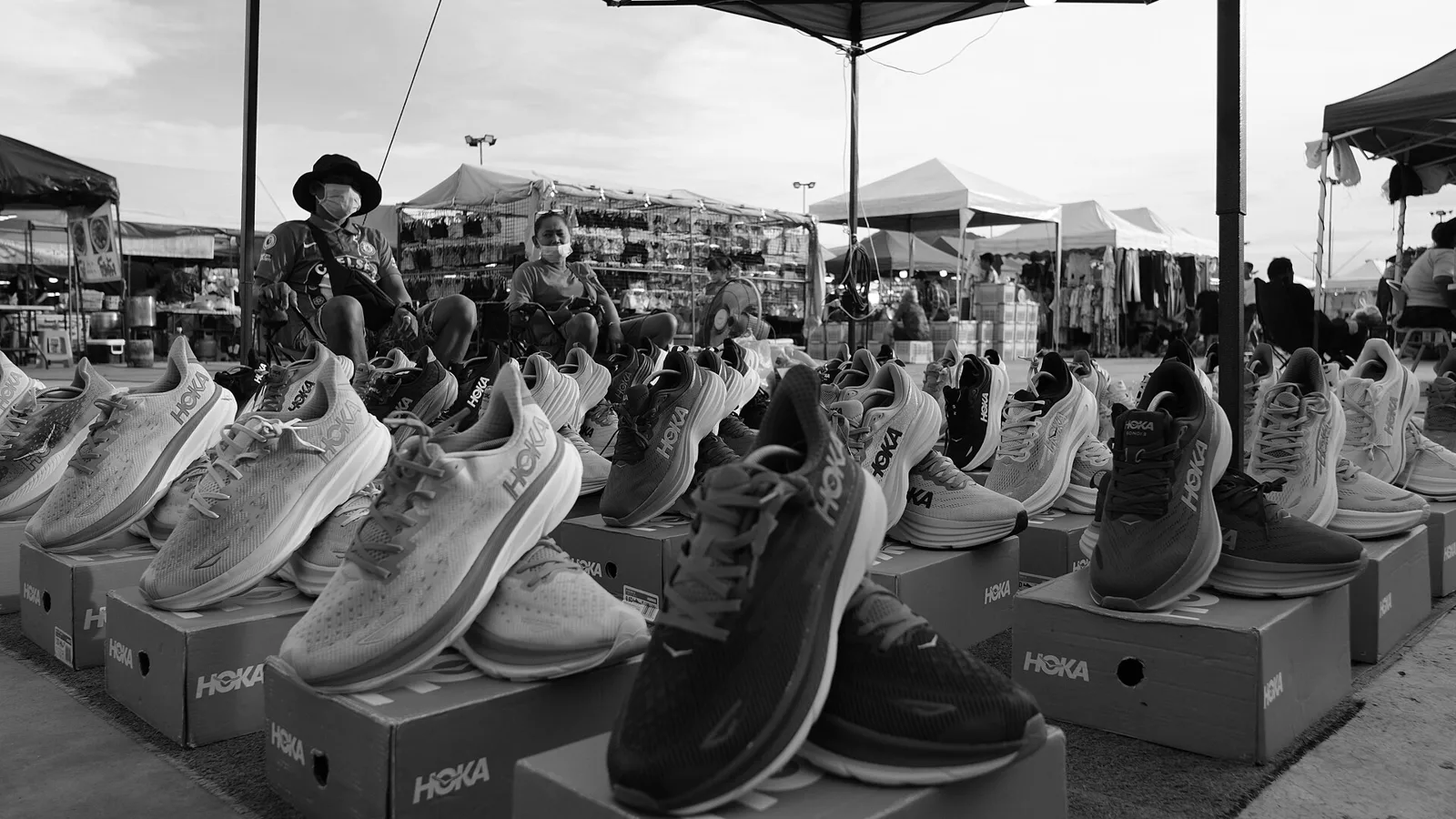
Hoka has a loyal following, so a title that calls its shoes bad needs some honesty up front. They are not bad shoes. Plenty of runners, nurses and walkers swear by them. But they are not right for everyone, and the downsides are worth knowing before you spend the money.
Below are the most common complaints, with context for each.
A quick background
Hoka was founded in 2009 in France, in the Annecy area, by Nicolas Mermoud and Jean-Luc Diard. Its trademark is a thick, cushioned midsole that was unusual when it launched. The company was bought by Deckers Brands, the owner of Ugg, in 2013, and it has grown quickly since.
The common complaints
The price
Hokas often cost more than comparable cushioned shoes. Pricing varies by model and market, but a full-price pair frequently sits in the higher bracket for running shoes. Older models and sales help, though sizes sell out.
The thick sole feels unstable
A tall midsole raises your foot higher from the ground. Some people feel less in touch with the surface and a bit wobbly on uneven trails or when cornering. Wider “stability” versions exist, but the feel is different from a low, firm shoe.
Not great for every foot shape
Fit is personal. Some wearers find the toe box too narrow or the heel too loose, and many models run a little roomy or narrow depending on the line. Trying a pair on in person beats guessing.
Durability opinions are mixed
Soft, light foam tends to compress with use. Some runners report that the cushioning softens sooner than in firmer shoes. Others get a long life from their pairs. Treat it as a trade-off between soft comfort and longevity rather than a fixed fact.
They look bulky
The chunky shape is part of the appeal for fans, and a dealbreaker for others. If you prefer a sleek profile, you may find them clumsy.
Who may prefer another shoe
- Runners who like a firm, responsive ride and a close feel for the ground.
- People with wide forefeet who have not found a roomy Hoka model.
- Anyone on a tight budget who wants the lowest cost per mile.
- Those who value a compact, minimalist look.
Who tends to like them
Many people on their feet all day, plus long-distance runners, choose the heavy cushioning for comfort. That is a preference, not a medical benefit. If you have foot pain, speak to a podiatrist or physician instead of relying on any shoe brand to fix it.
How to decide for yourself
- Try them late in the day, when feet are a little larger.
- Wear the socks you run or work in.
- Walk and jog in the shop if the store allows it.
- Leave a thumb’s width of space in front of your longest toe.
- Check the return policy before you buy online.
Compare before you commit
If you are shopping around, it helps to compare with other brands. See where several brands manufacture in where Brooks shoes are made and where Adidas shoes are made, and read how to keep your pair fresh in cleaning and maintaining running shoes. If you need to decode size labels such as narrow or wide, our explainers on B and M in shoe sizes are useful.
Caring for chunky cushioned shoes
Thick foam does not like heat. Do not leave shoes in a hot car, and keep them away from radiators. Hand wash the upper with mild soap, remove the insoles first and air dry. Loosely stuffed paper helps absorb moisture. The washing machine is generally discouraged by shoe makers because it can warp the shape and weaken adhesives.
The verdict
If a title says Hokas are bad, treat it as a prompt to check fit, price and ride rather than as a verdict. They are a distinctive style of shoe with real strengths and some honest limits. The best pair is the one that fits your foot and the way you use it.
Questions worth asking at the shop
Staff in a good running store will watch you walk or jog and look at how your foot lands. You do not have to follow their suggestion, but the conversation helps you describe what you want: soft or firm, narrow or roomy, light or sturdy. Bring your old shoes too. The wear pattern on the soles tells a story about how you move.
Be wary of any blanket claim, positive or negative, about a whole brand. Within a single range there are neutral shoes, stability shoes, trail models and road models, and they ride quite differently. A dislike of one pair says little about the rest.
Alternatives if Hoka is not for you
Several brands make well-cushioned shoes with a lower, more grounded feel. Brooks, Saucony, New Balance and Asics all have plush options, and others offer wide sizing. Read our look at {L(“where-are-saucony-shoes-made”,”where Saucony shoes are made”)} if you are comparing, and keep in mind that fit matters more than the name on the heel.
Frequently asked questions
Are Hoka shoes bad for your feet?
There is no simple answer. Many people find them comfortable, while others dislike the high, soft sole. If you have pain or a medical condition, ask a health professional.
Why are Hoka shoes so expensive?
They use a lot of cushioning foam and heavy marketing, and the brand sits in the premium bracket. Previous models are usually cheaper.
Do Hoka shoes wear out quickly?
Experiences differ. Soft foam can compress sooner than firm foam, so replacing them when the cushioning feels flat is a sensible rule.
Photo: PattayaPatrol / Wikimedia Commons (CC BY-SA 4.0)