Are Skate Shoes Good for Walking?
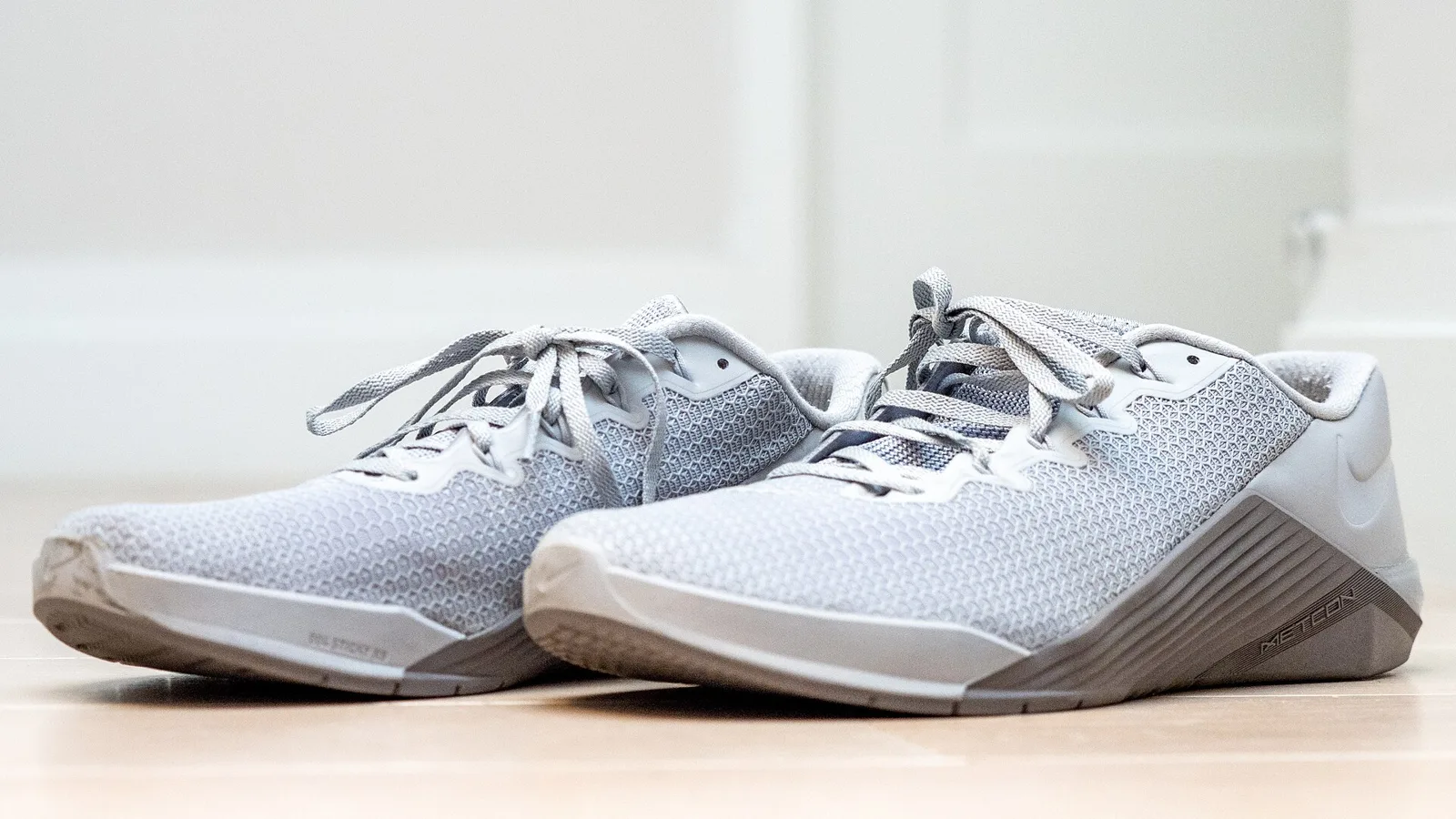
Skate shoes are built for a very specific job, which is gripping a board and surviving a lot of abuse. That does not make them bad for walking. For short trips, errands, and casual days out, they do fine. For long walks on hard pavement, they are not the best tool, and there are good reasons why. Let’s look at both sides.
What makes a skate shoe different
A skate shoe has a few signature features. The sole is flat and fairly thin, which gives you board feel. The upper is often suede or canvas, reinforced where the board scrapes the shoe. The shape is wide and stable, and the laces are often protected by extra stitching.
Many classic skate shoes use one of two sole constructions. A vulcanized sole is bonded and baked with a rubber foxing strip, which is flexible and gives good feel. This is the method famously used by Vans, a brand founded in Anaheim, California, in 1966. A cupsole is a pre-molded rubber cup stitched or glued to the upper, which is sturdier and more cushioned. Both styles show up across brands.
Where skate shoes do well for walking
There are real advantages for everyday use.
- Durable uppers that resist scuffs, so they last through daily wear
- A flat, stable base that feels steady on pavement and stairs
- Roomy toe boxes in many designs
- Simple, versatile looks that go with jeans, shorts, and chinos
- Grippy rubber outsoles that work well on dry surfaces
For a commute, a trip to town, a day around campus, or a casual city stroll, a decent pair of skate shoes can serve you well.
Where they fall short
The same traits that suit skating can be drawbacks over distance.
Thin cushioning
Most skate shoes have less shock absorption than running or walking shoes. Over a long day on concrete, your feet may feel the difference.
Limited arch support
Flat footbeds do little for arch support. If you have particular foot needs, you may prefer a shoe with a shaped insole. Anyone with persistent foot pain should talk to a podiatrist rather than rely on guesses from a fashion blog.
Weight and stiffness
Cupsole styles can feel stiff at first and heavy compared to modern lightweight sneakers. Our piece on how much sneakers typically weigh gives a feel for what to expect.
Breathability
Suede and thick canvas hold heat. In hot weather, long walks can feel sweaty.
How far is too far?
There is no official line. For many people, a mile or two of casual walking is fine. A full day of sightseeing with 10 miles on your feet is a different story, and a cushioned walking shoe will probably serve you better. Listen to your feet. If they ache after a short while, that is a signal to try something else.
Making skate shoes more walkable
You can improve comfort without buying new shoes.
- Swap the stock insole for a cushioned or supportive one
- Wear proper socks that wick moisture, not thin cotton ankle socks
- Break the shoes in gradually, with short walks first
- Lace them properly, snug at the midfoot and loose enough at the toes
- Rotate pairs so the foam recovers between wears
Be careful with white socks and dark shoes, since the combination has strong opinions attached. Our article on styling white socks with black shoes explains when it works.
Skate shoes vs other sneakers for walking
- Skate shoes: low cushioning, high durability, best for casual and short walks
- Running shoes: high cushioning, moderate durability, best for long distance and exercise
- Walking shoes: balanced cushioning and support, best for daily long walks
- Fashion sneakers: varies widely, usually lighter on support
If cushioning is your top priority, a brand like Hoka offers max-cushion shoes, though they are not for everyone. Our honest look at why people criticise Hoka shoes covers the trade-offs, and caring for Brooks running shoes helps if you go the running-shoe route.
Choosing a pair that walks well
If you plan to walk in skate shoes often, look for a few specific things. A padded collar and tongue cut down on rubbing at the ankle. A thicker midsole or a pair with an added cushioning insert gives more shock absorption than a bare vulcanized sole. Try them on in the afternoon with the socks you normally wear, and walk around the shop for a few minutes. Pay attention to heel slip, pressure at the toes, and any pinching across the widest part of the foot. A shoe that feels fine in the first minute may not feel fine after an hour, so keep the return policy in mind.
Caring for suede and canvas skate shoes
Skate shoes take a beating, so a little care extends their life. Brush off dry dirt with a soft brush, treat suede with a suede brush and eraser, and wash canvas with mild soap and a cloth. Avoid the washing machine unless the maker says it is safe, because heat and tumbling can damage the glue and shape. Air dry away from direct heat.
Who should skip skate shoes for walking
If you spend many hours standing or walking at work, have foot conditions, or need extra support, you will likely do better in a dedicated walking or work shoe. Skate shoes are a fine part of a wardrobe, but not the answer to everything.
FAQ
Can I wear skate shoes every day?
Yes, many people do. For long days on hard surfaces, consider adding a cushioned insole or rotating with a more supportive pair.
Are Vans good for walking?
Classic Vans are comfortable for casual walking for many people, but they have thin cushioning. Try them for short distances first.
Do skate shoes need breaking in?
Often yes, especially cupsole styles. Wear them for short stretches at first, so the materials soften and your feet adjust.
Photo: ajay_suresh / Wikimedia Commons (CC BY 2.0)