How to Tell If a Gucci Wallet Is Real
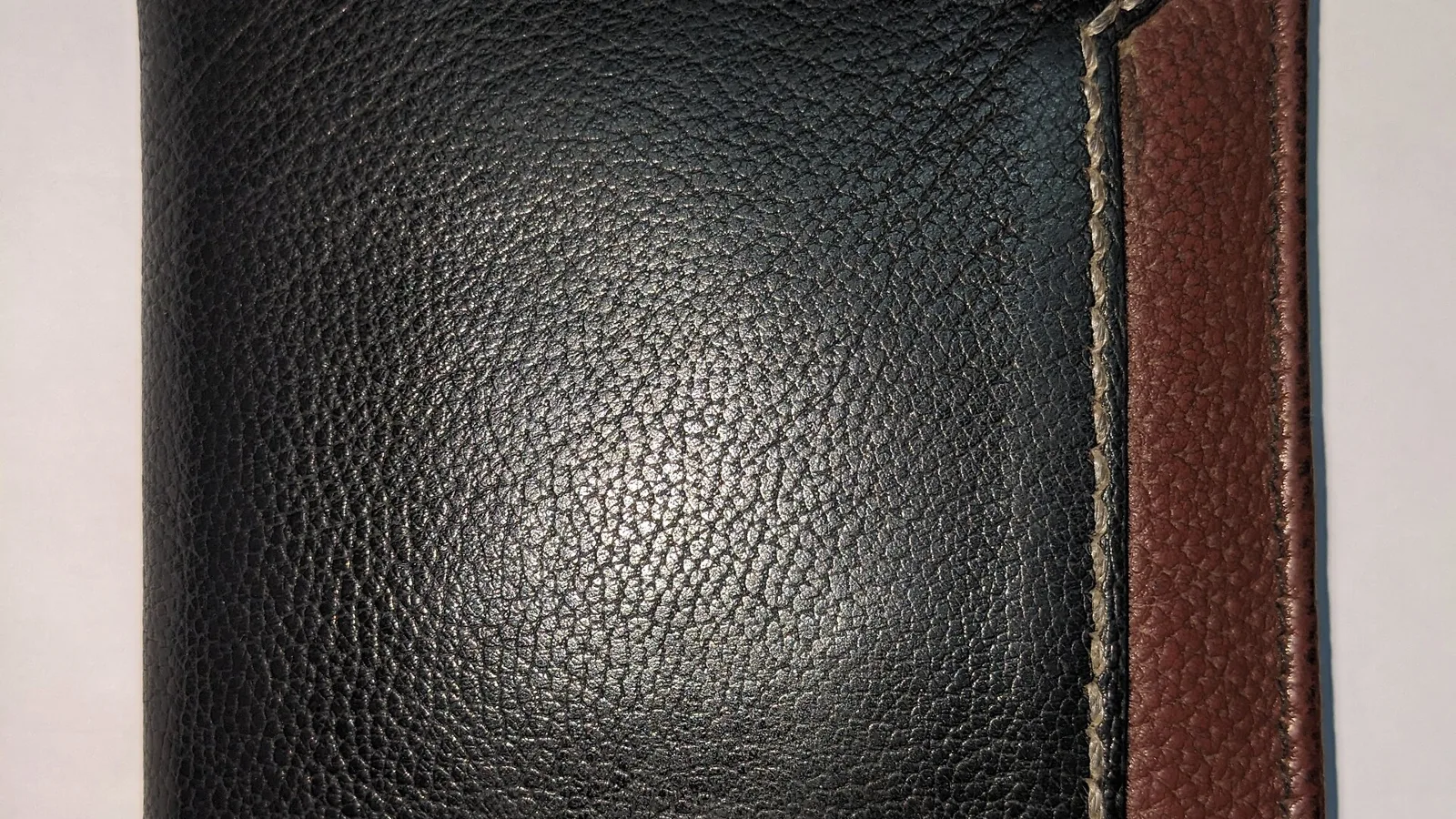
Gucci wallets are copied constantly, and some of the copies are good enough to fool a quick glance. No single trick settles the question. What works is stacking several checks together and being honest about where the wallet came from.
This guide walks through the things people usually look at: the stamp, the stitching, the pattern, the hardware, the lining and the paperwork. It also covers the limits of home checking, because a confident answer sometimes needs a professional.
Start with where it came from
Before you turn the wallet over, think about the purchase. Gucci sells through its own stores, its website and a limited set of authorised department stores and retailers. A brand-new wallet at a fraction of the usual price from an anonymous seller is a warning sign on its own.
Secondhand is different. Plenty of genuine wallets change hands through resale platforms, and some of those platforms offer their own authentication. If you are buying used, ask for clear photos of the inside, the stamp and any tag, and keep the listing details in case you need to dispute the sale.
Check the stamp and the markings
Genuine Gucci leather goods normally carry a clean, evenly pressed brand stamp, often with a line stating where the item was made. Many pieces are marked as made in Italy, though the brand has produced items elsewhere too, so a different country is not proof of a fake by itself.
Look at the lettering. On a real stamp, the letters are crisp, evenly spaced and sit straight. Blurry edges, uneven depth or a stamp that looks printed on rather than pressed in should make you pause.
Many Gucci wallets also have a small leather tag stitched inside with a style code or serial-style number. Be careful here. Counterfeiters copy these numbers, and a number that looks right proves very little. The useful part is whether the tag is neatly attached and the numbers are cleanly stamped. The number itself is not a certificate.
Look closely at the stitching
Stitching is where cheap fakes often give themselves away. On a well-made wallet, stitches are small, even and consistent in length. Corners are tidy. Thread ends are sealed or hidden rather than sticking out.
Run your eye along the edges. Crooked lines, double stitches in odd places, loose threads and uneven spacing are all poor signs. Keep in mind that a genuine wallet can still have a small flaw, since people make these. A pattern of sloppiness, though, points the wrong way.
Pattern, leather and feel
Many Gucci wallets use the interlocking GG monogram on coated canvas, while others are plain leather. On a monogram piece, the pattern should look deliberate. Symbols near seams and edges should be cut and lined up in a considered way instead of being chopped off at random.
Leather should feel supple and smell like leather, not like a chemical or plastic. Coated canvas should feel smooth and firm without a sticky or rubbery surface. Smell and feel are subjective, so treat them as supporting clues and not as proof.
Hardware and zips
Zips, snaps and metal logos should feel solid and move smoothly. Plating should be even. Engraving on the hardware should be sharp. Lightweight, rattly metal or a zip that snags straight out of the box is a bad sign.
Where a zip pull carries lettering, check that it matches the quality of the rest of the piece. Brands often use well-known zip makers, but details change between seasons, so do not rely on a memorised rule that may be out of date.
Inside the wallet
Open every compartment. The lining should be cut cleanly and stitched neatly, with card slots that sit square. Glue marks, bubbling and wrinkled lining suggest a rush job.
Packaging and extras matter less than people think, since boxes, dust bags and cards are easy to copy. Treat them as a small bonus when they are present and not as a reason to trust the wallet.
A quick checklist
- Seller is a Gucci store, an authorised retailer or a platform with authentication
- Brand stamp is crisp, straight and evenly pressed
- Stitching is small, even and tidy at the corners
- Monogram pattern is aligned and sensibly cut near seams
- Hardware feels solid and operates smoothly
- Lining and card slots are clean and square
- Price is believable for the model and condition
When you are still not sure
If the wallet passes most checks but you have real money on the line, get a second opinion. Several resale services and independent authenticators will assess luxury goods for a fee. Gucci stores may also be able to comment, though policies on that can vary, so ask before you travel.
Compare against an item you know is genuine from the same line if you can. Side by side, differences in stamp depth, thread colour and lining become much easier to see.
If you ever feel a wallet is not what you were sold, document everything and contact the seller or platform quickly. For care once you have a real one, our notes on cleaning a Gucci canvas bag cover similar coated materials. If you prefer a slimmer carry, see these Ridge wallet alternatives, and for fabric-based pieces, our guide to washing a Vera Bradley wallet is a useful comparison.
Frequently asked questions
Does a serial number prove a Gucci wallet is real?
No. Numbers can be copied, so treat the tag as one clue. Judge the overall build quality, stamp and seller alongside it.
Are all Gucci wallets made in Italy?
Many are marked as made in Italy, but not necessarily every item. Judge the full set of details rather than one marking.
Can I authenticate a wallet from photos alone?
Photos help you spot obvious problems, but close inspection in person or a professional authentication service is more reliable when the purchase is expensive.
Photo: Nafis Fuad Ayon / Wikimedia Commons (CC BY-SA 4.0)