What Is a Continental Suit?
Ask three tailors what a continental suit is and you may get three slightly different answers. The term is loose, but the picture behind it is consistent: a trimmer, sharper, more fashion-forward suit that borrows from European tailoring, especially Italian and French styling, rather than the roomier traditional American cut.
This guide explains the common features, how it differs from other cuts, and how to decide whether it suits you.
The short definition
A continental suit is a close-fitting suit with a shorter jacket, a defined waist and slim, usually flat-front trousers. The word “continental” simply points to continental Europe, as opposed to Britain or the United States. It describes a look, not a protected technical standard, so retailers use it a little differently.
Typical features
You will not find every detail on every suit, but these come up again and again.
- Shorter jacket. The hem usually sits around the middle of the seat rather than covering it fully.
- Nipped waist. The jacket tapers in, which gives a more shaped silhouette.
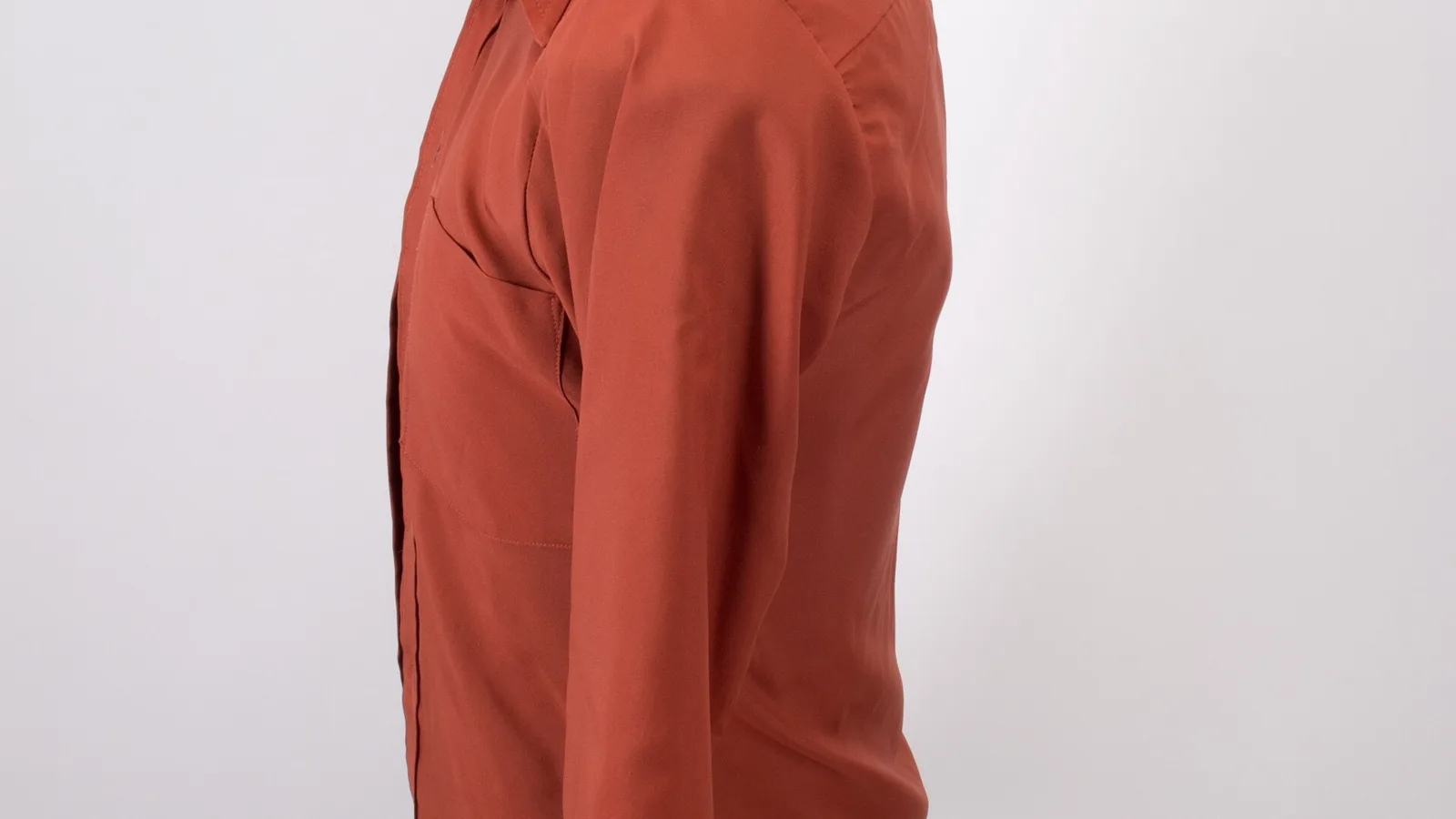
- Higher armholes. These allow a slimmer sleeve and let the jacket move with the arm.
- Slim, flat-front trousers. Pleats are rare, and the leg tapers toward the ankle.
- Lighter structure. Padding in the shoulder is often softer, though some versions keep a sharper shoulder line.
- Fewer or different vents. Many European-style jackets have a single centre vent or none at all, though side vents also appear.
How it compares with other cuts
The easiest way to understand it is side by side. These are generalisations, and individual makers vary.
| Style | Typical fit | Jacket length | Trousers |
|---|---|---|---|
| Continental | Slim, shaped | Shorter | Slim, flat front |
| Classic American | Straighter, roomier | Longer | Fuller, sometimes pleated |
| British | Structured, waisted | Mid to long | Straight to slightly tapered |
Who it works for
Slim cuts are forgiving on people with a lean to average build, because there is little excess fabric. If you have a broader chest or a rounder midsection, a continental cut can still work, but it needs to be tailored properly. A suit that pulls across the button or wrinkles into an X at the waist is too tight, whatever it is called.
Height matters too. A short jacket tends to flatter average and shorter men, since it makes the legs look longer. On a very tall man it can look cropped, so check the length in a mirror before buying.
How to wear it
The silhouette is already sharp, so keep the rest simple. A well-fitted shirt, a slim tie or none at all, and clean leather shoes in a colour that suits the cloth. If you are choosing footwear for a brown suit, our piece on shoe colours for a brown suit covers the options.
For cold weather, a short, slim jacket pairs well with a fitted overcoat. Read how to wear a peacoat over a suit jacket to avoid bunching at the shoulders.
For a more relaxed day, you can split the suit. Wear the jacket with chinos and a knit polo, a combination explored in wearing a blazer with a polo shirt.
Fit checks before you buy
Whatever the label says, run through a few basics in the fitting room.
- The shoulder seam should end where your shoulder ends, not past it.
- The jacket should close without pulling, and you should be able to lift your arms a reasonable amount.
- The collar should lie flat against your shirt collar with no gap.
- Sleeves should show roughly a quarter to half an inch of shirt cuff.
- Trousers should sit cleanly on the shoe with a slight or no break.
A tailor can shorten sleeves and trousers and take in the waist. Shoulders are far harder to alter, so get those right first.
Fabric and season
Because the cut is close to the body, fabric choice matters more. Wool is the usual choice and breathes well; a lighter weave suits summer, while heavier flannel or worsted works in winter. Linen blends are cooler but crease readily, which is part of their charm.
Stretch blends add comfort in a slim trouser, though they can look shiny if the blend is cheap. Feel the cloth and look at it in daylight if you can.
Is it still in style?
Slim tailoring has been popular for years, and many men have since moved toward a slightly easier fit. A continental suit is not outdated, but extremely tight versions can look dated. Aim for slim, not skin-tight, and the suit should stay relevant for a long time.
A word on shopping for one
Because “continental” is a marketing word as much as a technical one, read the product description rather than trusting the label. Look for the jacket length, the trouser rise and whether the cut is described as slim or tailored. If the retailer offers measurements, compare the chest and waist to a suit that already fits you well.
Buying off the rack and having it adjusted is the practical route for most people. Budget a little for alterations, because a modest suit that has been properly tailored will usually look better than an expensive one that was never touched.
Common mistakes
The biggest error is buying a size too small to get the slim look. Fabric that strains at the button or pulls across the back looks cheap and feels worse. Another is wearing trousers that are too short; a slight break or none is fine, but exposed shins when you sit are not.
Finally, remember that a sharp cut deserves matching care. Hang the suit on a wide shaped hanger, rest it between wears, and brush it now and then. A good suit, however it is cut, lasts when it is looked after.
Frequently asked questions
Is a continental suit the same as a slim-fit suit?
Not exactly. A slim fit describes how close the suit sits to the body. A continental suit usually is slim, but the term also implies a shorter jacket and European-style details.
Can I wear a continental suit to work?
Yes, in most offices. Choose a conservative colour such as navy or charcoal and make sure the fit is comfortable enough to sit and move in.
Does a continental suit have pleated trousers?
Usually not. Flat-front trousers are the common pairing, although a retailer may call a different cut continental, so check the product details.
Photo: Manhattan / Wikimedia Commons (CC BY 4.0)