10 Ridge Wallet Alternatives You Should Consider
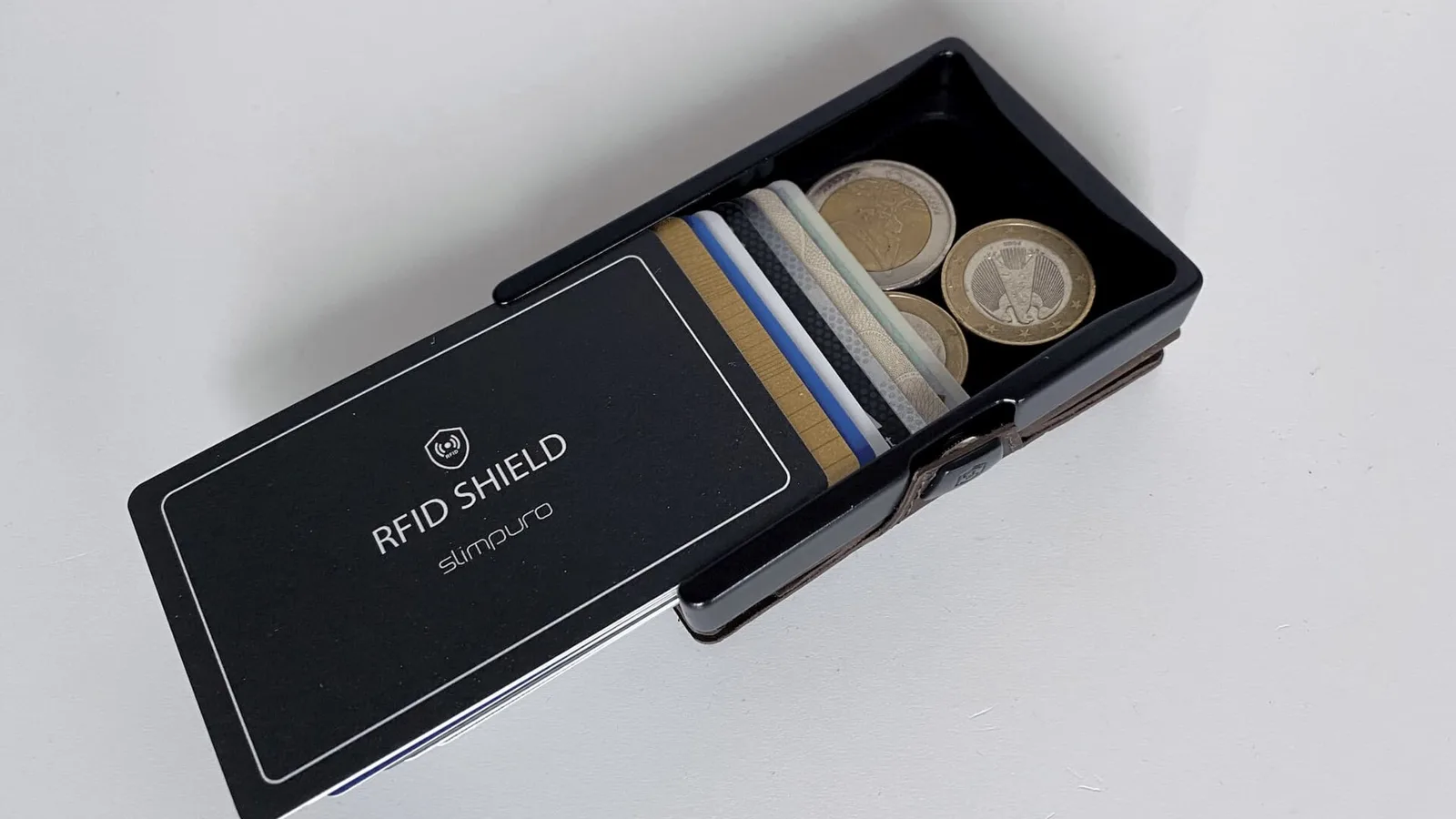
The Ridge wallet made the slim, metal card holder famous. Two plates, an elastic band and room for a handful of cards: simple and rugged. It is not for everyone, though. Some people find the metal a bit stiff, want leather, or need more space for cash. Here are ten types of alternative worth considering, with a few well-known makers named where I am confident about them.
What to look for first
Before comparing, decide what you actually carry. Count your cards and note whether you use cash or coins. Then think about where the wallet will live, in a front pocket, a back pocket or a bag. These answers narrow the choice fast.
Ten alternatives
- Secrid Miniwallet. Secrid is a Dutch company known for a compact aluminium wallet where cards fan out with a slider. It is a common first alternative for people who like the metal look but want easier access.
- Bellroy slim leather wallets. Bellroy is an Australian brand focused on slim, well-organised leather wallets with clever pockets for cards and notes.
- Ekster smart wallets. Ekster is another Dutch name, with pop-up card mechanisms and optional tracker slots.
- Classic leather bifold. The old standard. It holds more, feels warm in the hand and ages nicely, though it is thicker.
- Leather cardholder. A thin stack of pockets, no metal. Gentle on clothes and comfortable in a front pocket.
- Money clip with card slot. Minimal and fast, good for people who carry cash and only a card or two.
- Elastic or silicone wallets. Lightweight and cheap. They stretch to hold a few cards and bills, and they suit gym use.
- Carbon fibre or titanium card holders. Several brands make these. They look sharp, but check the reviews on how well they hold cards.
- Phone-case wallets. A pocket on the back of your phone case. Convenient for a quick outing, but you risk losing phone and cards together.
- Zip-around or pouch wallets. Better for coins, receipts and a larger collection of cards, and often used with a bag.
Comparing the main styles
| Style | Strong point | Trade-off |
|---|---|---|
| Metal card holder | Slim, tough | Less cash room |
| Slim leather | Soft, organised | Can stretch with time |
| Bifold | Capacity | Bulky in a pocket |
| Money clip | Very fast | Few cards |
| Elastic | Cheap, light | Looks casual |
A note on RFID
Many card holders advertise RFID blocking. It is a real feature in some designs, since metal and special linings can block certain radio signals. How necessary that is for you is debatable, so do not pay heavily extra for it unless it matters to you.
Material and care
Leather needs occasional conditioning and should stay away from soaking. Metal wallets are low maintenance, though they can scratch clothing or phone screens in the same pocket. Fabric and silicone options can usually be wiped clean. Some branded wallets, like a Vera Bradley design, are fabric, and you can see how to clean them in can you wash a Vera Bradley wallet.
Buying smart
Luxury wallets attract imitations, so buy from authorised sellers. If you are looking at a designer piece, learn how to spot copies in how to tell if a Gucci wallet is real. There is also a quirky tip in why you should keep a bread clip in your wallet.
Which one should you pick?
If you carry three or four cards and little else, a slim card holder or minimalist wallet is plenty. If you pay in cash often, a bifold or money clip wins. If you travel and juggle IDs, a pouch style keeps things organised. Whichever you pick, clear out old receipts and spare cards regularly.
How to switch wallets without the headache
Changing to a slimmer wallet means editing what you carry. Lay out everything in your current wallet and sort it into three piles: daily, occasional and never. Daily items, such as a debit card, an ID and one credit card, go into the new wallet. Occasional items, like a loyalty card, can live in a drawer or a phone app.
Keep an emergency card somewhere else, in a bag or at home, in case you lose the wallet. Photograph the front and back of your cards and store the images securely, so you can cancel quickly if something goes missing.
Pocket placement
Front pockets suit slim wallets and are harder for pickpockets to reach. Back pockets are comfortable for slim designs but can be awkward when sitting for a long time. A thicker bifold in a back pocket may affect posture over time, which is one reason many people move to slimmer styles.
Budget
Prices range from a few pounds to well over a hundred. A mid-range wallet in good materials usually delivers the best balance. Read reviews that describe how the wallet looks after a year, not just in the first week.
Whichever route you pick, give the new wallet a two-week trial before deciding. It takes a few days to adjust to a different pocket feel and card access, and you will quickly learn whether the capacity is truly enough for your routine.
FAQ
What is a good alternative to a Ridge wallet?
Slim leather wallets from brands like Bellroy, or compact metal options like the Secrid Miniwallet, are common choices.
Are metal wallets better than leather?
Not necessarily. Metal is tougher and slimmer. Leather feels softer and carries more cash.
Do I need RFID blocking?
It is optional. Decide based on how much it matters to you and how much extra it costs.
Match the wallet to what you carry each day, and the right choice usually becomes obvious.
Photo: www.kartenetui.info / Wikimedia Commons (CC BY 4.0)