Why Are Pashmina Shawls Banned? Clearing Up the Confusion
Short answer: they are not
Genuine pashmina shawls are not banned. You can buy and wear them. The confusion comes from a different shawl, called shahtoosh, which is illegal to trade in most countries. The two get mixed up, and some sellers have blurred the line on purpose.
What pashmina is
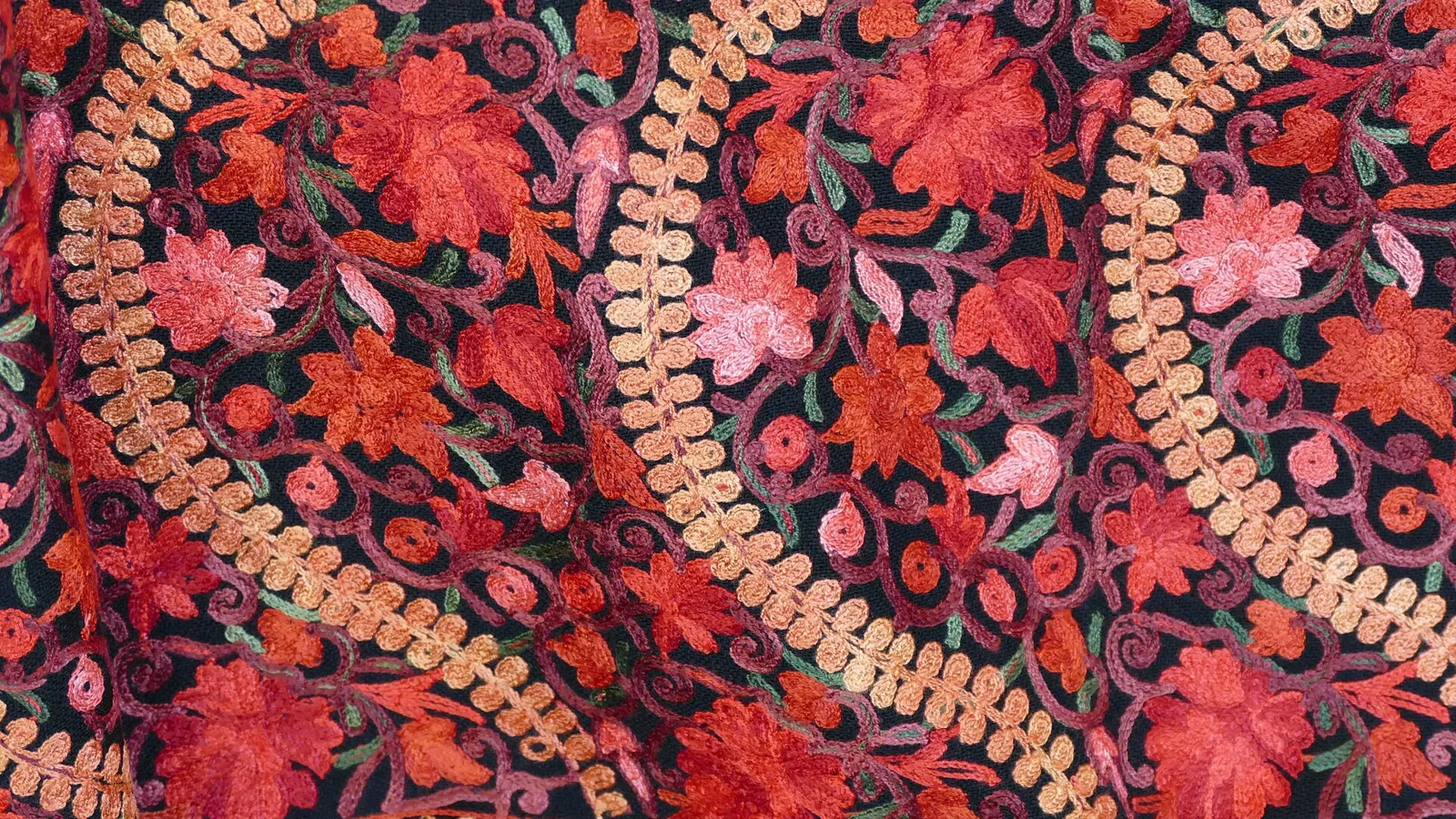
Pashmina refers to fine wool from the undercoat of certain goats raised in the high, cold regions of the Himalayas, notably Ladakh and parts of Kashmir and Nepal. The word is often linked to cashmere, and pashmina is a fine type of cashmere. The fibre is soft, light and warm. Traditional shawls are woven on hand looms and sometimes embroidered.
The goat is combed or shorn, and the animal survives. This is the reason pashmina is legal.
What shahtoosh is
Shahtoosh comes from the Tibetan antelope, also called the chiru. The wool was historically obtained by killing the animal. The species is protected under international wildlife trade rules (CITES), and trade in shahtoosh is prohibited in most countries, including the United States and across the EU. Shahtoosh shawls are extremely fine, which is why they were so prized and why poaching became a serious concern.
Pashmina versus shahtoosh
| Pashmina | Shahtoosh | |
|---|---|---|
| Source | Domestic cashmere goats | Tibetan antelope (chiru) |
| Legal status | Legal to trade | Illegal in most countries |
| Fibre harvest | Combing or shearing | Historically from killed animals |
Why the rumour sticks
There are a few reasons people believe pashmina is banned.
- News stories about shahtoosh seizures mention Kashmir shawls
- Some sellers market cheap shawls as pashmina when they are viscose or acrylic
- Shahtoosh was sometimes sold under the name ‘ring shawl’
- Rules in particular countries or airports can change how fibre goods are inspected
In other words, a ban on one product turned into a general myth about the other.
Mislabelling is the real issue
The word ‘pashmina’ is not tightly controlled everywhere. Many cheap scarves sold as pashmina are made from viscose or blends, and may contain very little real wool. That is a labelling problem rather than a legal ban, but it matters if you are paying for the real thing.
How to buy a genuine pashmina
- Read the fibre content label. Look for cashmere or pashmina wool, not just the word pashmina
- Ask the seller where it was made and how
- Prefer sellers who can explain their supply chain
- Be wary of very low prices
- Look for certifications from reputable bodies where available
A real shawl feels soft and warm, and does not have a plasticky shine. But feel alone is not a reliable test, since good blends can be soft as well.
Caring for pashmina
Fine wool needs gentle care. Hand wash in cool water with a mild wool wash, press out water without wringing, and dry flat. Store folded rather than hung. Keep it away from moths and damp. The care ideas are similar to those for other delicate accessories, such as the advice in how to wash Melin hats.
Styling
A pashmina works as a wrap in cold weather, a scarf under a coat or an evening shawl over a dress. It also looks good draped over a plain knit or a crewneck for a polished layer. Neutral colours such as camel, grey or navy go with most wardrobes.
What to remember
Pashmina is legal and widely sold. Shahtoosh is not. If someone offers you a shawl that is suspiciously fine and cheap or a vague ‘ring shawl’, walk away. Ask questions, read the label and buy from sellers who are open about where their wool comes from.
Further reading on layering and accessories
A shawl is a useful part of a layered wardrobe. If you like to build outfits from several pieces, see what to wear over a polo shirt for more ideas on adding layers without bulk, and can straw hats get wet for more on caring for natural-fibre accessories.
Why people buy pashmina
The appeal is warmth without weight. A good shawl can be folded small, packed in a bag and pulled out on a cold train or plane. Many people also like the hand-finished look and the heritage of the craft.
Pricing and fairness
A genuine hand-woven shawl takes time to make, and the price reflects that. If you see a very cheap one, ask what it is made of. When buying, look for sellers who talk about the makers and the origin of the fibre, rather than only the discount.
Ethical buying is not complicated. Ask where it came from, read the label and walk away if the answers are vague.
Travelling with a shawl
If you carry a shawl across borders, keep the receipt or the label that shows the fibre. Customs officers look for banned wildlife products, and a clear label from a reputable seller makes questions easy to answer. A genuine pashmina bought from an honest shop should never be a problem, and a document trail also helps if you later resell it.
It also pays to be sceptical when buying abroad from street sellers. If the story sounds too good, treat it as a warning sign.
FAQ
Is it illegal to wear a pashmina?
No. Genuine pashmina made from cashmere goat fibre is legal to buy, sell and wear.
Why is shahtoosh illegal?
Because it comes from the endangered Tibetan antelope, a species protected under international trade rules.
How do I know if my shawl is real pashmina?
Check the label for fibre content, buy from a trusted seller and be cautious about prices that seem too low.
Photo: Kritzolina / Wikimedia Commons (CC BY-SA 4.0)